Second Dwellings & Tiny Homes in Australia: DA vs CDC Explained
Thinking about a tiny home or second dwelling? Learn the real difference between DA and CDC approvals, timelines, costs and council risks in Australia.

Dec 22, 2025
·
0
min read
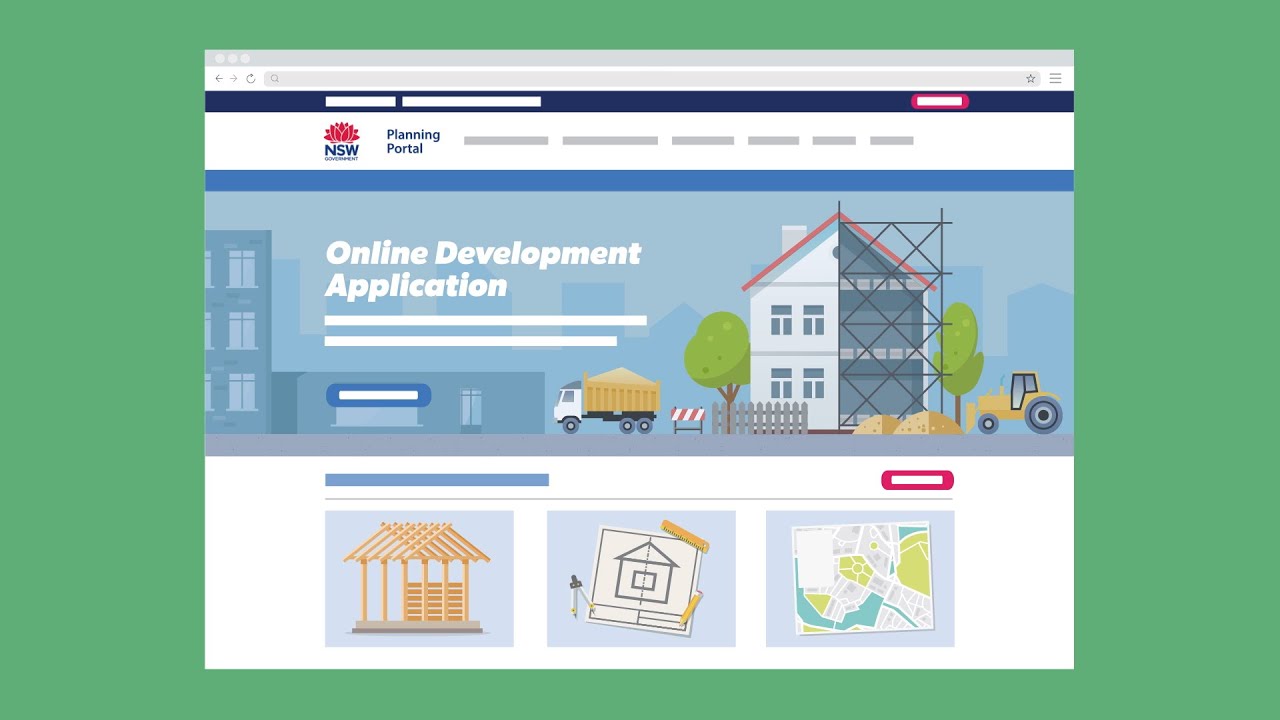
Adding a Second Dwelling to Your Property in Australia: What You Need to Know Before You Start
So you’ve decided you want to add a second dwelling to your property. Maybe it’s a tiny home in the backyard. Maybe it’s for family, rental income, or simply to make better use of land you already own.
This part is usually straightforward. What isn’t, is everything that comes next.
Before you think about designs or manufacturers, you need answers to some very practical questions: can you actually do this on your block, what rules apply, how long will approvals take, and what’s the least painful way through the process?
This is where many projects stall. Not because the idea is bad, but because the approval pathway wasn’t properly understood upfront.
Disclaimer: This is generic information about DAs and CDCs. Make sure to chat to an engineering firm or your council for information specific to your site.
Step One: Can You Add a Second Dwelling at All?
In most residential areas across Australia, a second dwelling is allowed in principle. The challenge is whether your specific block meets the requirements.
A basic feasibility check usually looks at zoning, minimum lot size, bushfire and flood overlays, easements, access and setbacks. This is normally done by an engineering firm as a desktop assessment before any formal application is lodged and usually costs anywhere from $300-500 AUD. There might be cheaper options available but that's what I'm used to paying.
In many cases, the answer isn’t a simple yes or no. It’s “yes, but only if it’s done a certain way”. And that “certain way” usually comes down to how the dwelling is approved.
The Big Fork in the Road: DA vs CDC
Once a site looks feasible, everything hinges on the approval pathway.
In Australia, almost all second dwellings are approved under one of two systems:
Development Application (DA)
Complying Development Certificate (CDC)
A DA is the traditional council approval process. Plans are lodged with council and assessed by planning officers. This process is slow, documentation-heavy, and largely out of your control once it’s submitted.
In practice, councils often take six months or longer to assess a DA. In some regional areas, I've heard of cases of applications sitting for over a year with little or no feedback at all. This is the most frustrating part of going down the typical DA pathway.
A CDC works differently. Instead of waiting on council, the project is assessed by a private certifier which is then approved by council. As long as the design complies with planning controls and building standards, approval can be issued without going through council planning.
This makes CDCs faster, more predictable, and far less dependent on council backlogs or internal delays.
Why Build Method Matters More Than People Expect
Here’s where tiny homes, prefab homes and flat-pack builds make a real difference.
In New South Wales in particular, the approval pathway often depends less on what the home looks like, and more on how it is built and installed.
If a dwelling is fully manufactured off-site, including plumbing and electrical, and craned into place as a single finished unit, it will usually require a DA.
If that same dwelling is delivered as a flat-pack or modular kit and assembled on site, it can often be approved under a CDC, provided it meets all other planning rules.
From the outside, the finished home may look identical. From a planning perspective, the approval pathway is completely different.
In other states such as Queensland, Victoria and Western Australia, the rules are generally more flexible, and fully prefabricated homes can often be approved under a CDC as well. WA, in particular, seems to be much more progressive in this area.
DA vs CDC: What This Means in Practice
Below is a simplified comparison of how DA and CDC approvals typically work with different types of homes.
Home type | CDC possible? | DA required? | Notes |
Flat-pack / on-site assembled tiny home | Yes (often) | Sometimes | Common CDC pathway in NSW if assembled on site |
Modular home | Yes (often) | Sometimes | Depends on council rules and installation method |
Fully prefabricated home (craned in complete) | Rare in NSW | Usually | Often DA in NSW, CDC more common in QLD, VIC, WA |
Traditional granny flat (built on site) | Sometimes | Often | Many still go through DA due to build method |
Second dwelling in bushfire or flood zone | Sometimes | Often | Additional reports may force DA |
This is why two people can buy very similar homes and have completely different approval experiences.
What Still Needs to Happen Even With a CDC
A CDC is not a shortcut. It is simply a different approval pathway.
Even under a CDC, you will still need proper documentation. This usually includes a soil test, a site survey showing boundaries and levels, structural engineering specific to your site, an energy efficiency report, and stormwater planning.
Even if you are working with a manufacturer who has built the same home model repeatedly, many of these reports are site-specific. Soil conditions, wind ratings and climate zones change from block to block, and certificates must reference the actual address.
This is why approvals cannot simply be reused from one project to another.
How Long Does This All Take & How Much Does It Cost?
Based on real-world projects, a CDC typically takes around three to four months from first engagement to installation. Most of this time is spent preparing engineering documents and coordinating certification. Once approved, the build and installation itself can be very fast.
A DA, by contrast, often takes six months or longer just to receive approval, before construction can even begin. In some councils, particularly in regional areas, timelines can be highly unpredictable, with long periods of silence after submission.
This is the key advantage of a CDC. It reduces not just time, but risk.
Your average DA costs anywhere between $15-20k. Preparing and submitting the engineering documents usually takes around 8 weeks, followed by a 6+ month wait for council to approve your DA, followed by building your home.
A typical CDC costs between $10-15k. Preparing the engineering documents takes about the same time at 8 weeks, but you can start building much quicker after that as the private certifier will check in on particular milestones during your build i.e. you can get started and get certified along the way assuming everything is done by the book.
Final Thoughts
Most second dwelling projects fail or stall for one simple reason: the approval pathway was chosen too late.
Tiny homes and prefab homes are rarely the problem. The problem is locking into a design or build method that forces you into a slow, uncertain council approval process without realising it.
If you understand your council, your site constraints, and whether you are aiming for a CDC or a DA from the outset, you can save months of time and a lot of frustration.
That clarity early on is often the difference between a second dwelling that actually gets built, and one that never makes it past planning. As a result, I always suggest talking to an engineering firm and getting this information upfront. It's a few hundred dollars that are well spent and can save enormous headaches and costs in the future.
Sign up to get news and manufacturer reviews.
No spam, unsubscribe at any time